The True Cost of a Stopped Production Line
In industrial environments, downtime is not an inconvenience — it is a direct financial loss. Every minute a production line is halted translates into missed output, wasted labour, delayed orders, and reputational damage. While automation systems are engineered for precision and efficiency, one of the most common causes of unplanned downtime is also one of the most underestimated.
Peripheral failure.
Mice that clog with dust, displays that fail under vibration, and consumer-grade hardware that degrades in humid or greasy environments all create weak points in otherwise robust automation systems. For factory managers and system integrators, these failures are not theoretical — they are recurring, measurable costs.
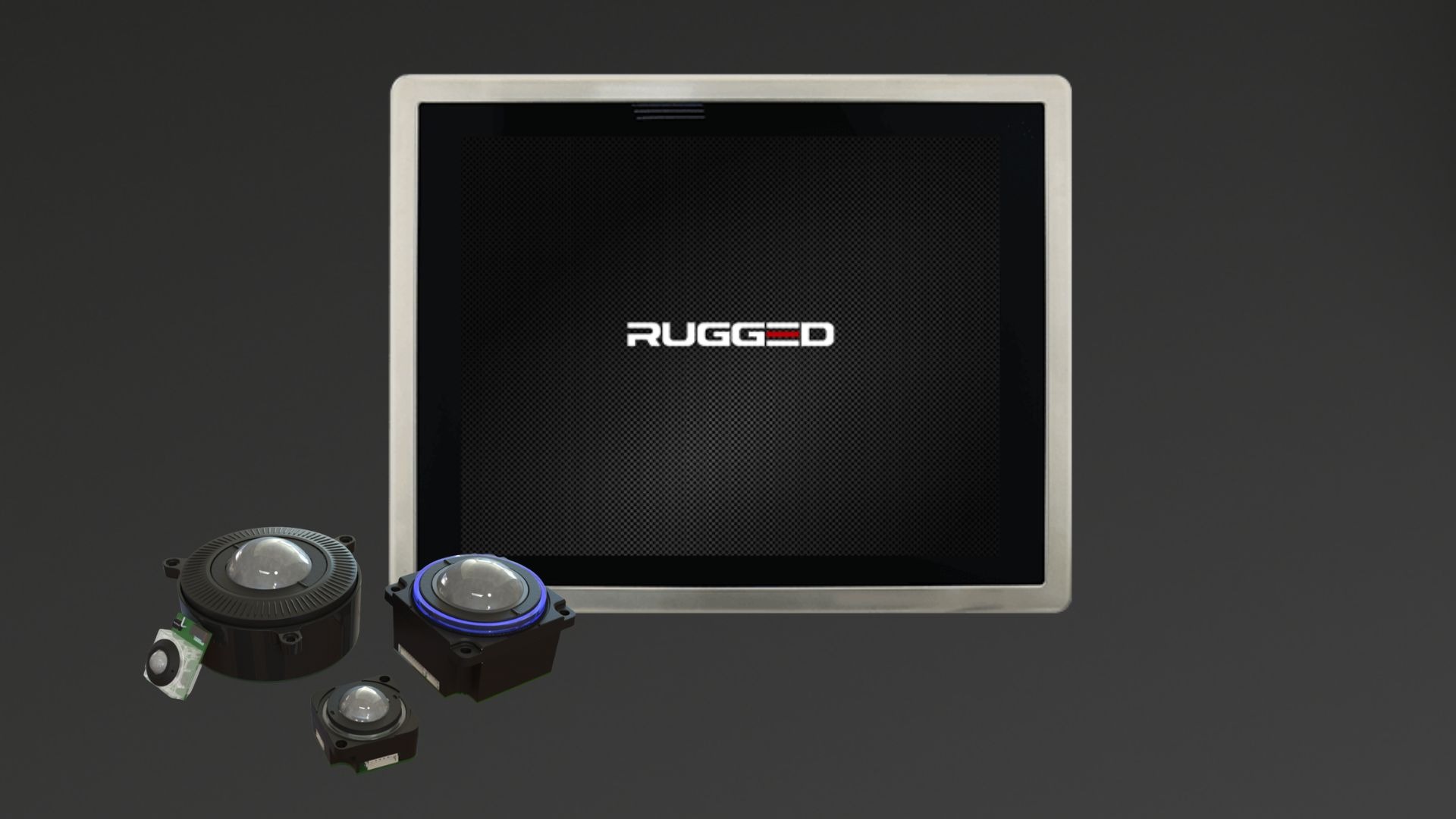
This is why rugged trackballs and industrial displays are becoming standard components in modern automation strategies. This article explores the real-world cost of hardware failure, compares consumer peripherals with industrial-grade alternatives, and explains how FB Peripherals supports productivity through ruggedisation, longevity, and OEM-focused design and customisation.
Downtime: The Hidden Drain on Industrial ROI
Industrial automation is built around predictability. Output targets, takt times, and maintenance schedules are carefully calculated. Peripheral failure introduces uncertainty into this equation.
Common downtime triggers linked to peripherals
- Mouse failure due to dust or debris
- Touchscreens becoming unresponsive due to grease or moisture
- Display failure caused by vibration or temperature fluctuation
- Input lag or drift impacting operator accuracy
- Repeated replacements causing production interruptions
While each failure may seem minor, the cumulative impact is significant.
The real costs of downtime include
- Lost production output
- Labour inefficiency
- Maintenance call-outs
- Spare parts inventory
- Emergency replacements
- Operator frustration and error
In high-throughput environments, even short interruptions quickly erode margins.
Why Consumer Peripherals Fail on the Factory Floor
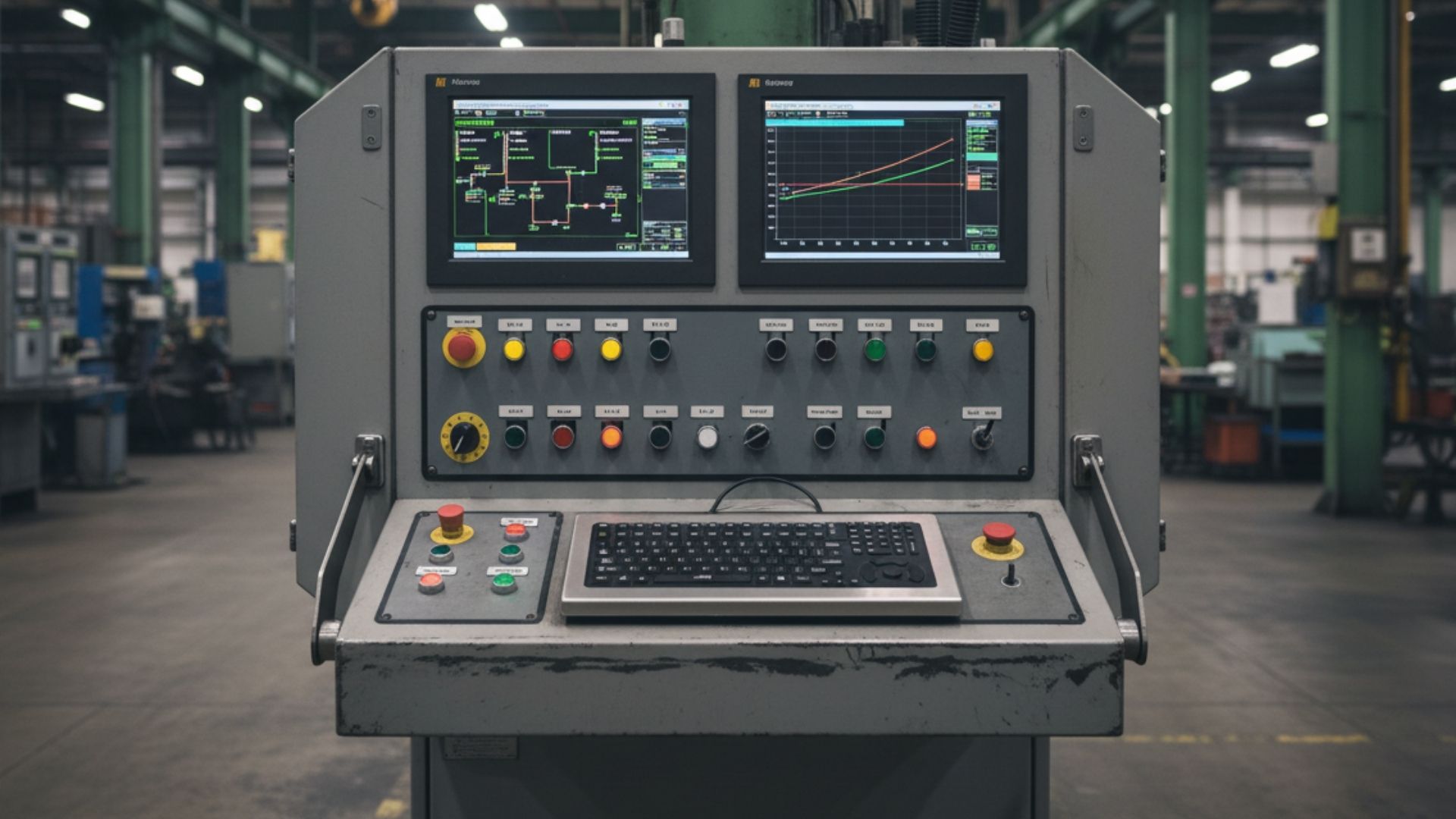
Standard office peripherals are designed for climate-controlled, low-contamination environments. Factory floors present the opposite conditions.
Typical industrial stressors
- Airborne dust and particulates
- Oil, grease, and lubricants
- High humidity or wash-down zones
- Continuous vibration from machinery
- Temperature variation
- Gloved operation
Consumer mice and displays are not engineered for these realities.
Failure modes of standard mice
- Optical sensors blocked by dust or grease
- Scroll wheels jamming
- Buttons sticking or failing
- Internal contamination
- Short operational lifespan
The result is frequent replacement, inconsistent performance, and avoidable downtime.
Industrial Trackballs: Built for Continuous Operation
Rugged trackballs address the fundamental weaknesses of standard mice by eliminating exposed moving parts and sealing the input mechanism.
Why trackballs outperform mice in industry
- Fixed installation — no desk movement required
- Sealed designs prevent ingress of dust and liquids
- Consistent precision regardless of surface condition
- Suitable for gloved operation
- Resistant to vibration and shock
In greasy or dusty environments, trackballs continue operating where mice fail within weeks.
Lifespan Comparison: Mouse vs. Industrial Trackball
Standard office mouse
- Designed lifespan: short-term office use
- Sensitive to dust and contamination
- Frequent cleaning required
- High failure rate in industrial settings
- Often replaced multiple times per year
Industrial-grade trackball
- Designed for continuous, harsh operation
- Fully sealed or protected mechanisms
- Minimal maintenance
- Multi-year service life
- Stable performance over time
From a lifecycle perspective, the cost difference is decisive.
Rugged Displays: The Visual Backbone of Automation
Input devices are only half the equation. Displays are equally critical in industrial automation, serving as the primary interface for operators, engineers, and maintenance staff.
Challenges faced by industrial displays
- Vibration-induced component fatigue
- Condensation and humidity
- Dust and debris accumulation
- Glare from industrial lighting
- Temperature extremes
Consumer monitors quickly degrade under these conditions.
What Defines an Industrial-Grade Display?
Rugged displays are designed specifically for industrial use, with features that prioritise uptime and visibility.
Key characteristics
- Reinforced housings
- Wide operating temperature ranges
- High-brightness panels for visibility
- Secure mounting options
- Resistance to vibration and shock
- Long lifecycle availability
These features ensure consistent performance in control rooms, on production lines, and within machinery enclosures.
The Impact on Operator Productivity
Unreliable peripherals do more than stop production — they reduce operator efficiency even when systems are technically “running”.
Productivity losses include
- Slower input response
- Increased error rates
- Operator fatigue
- Workarounds and manual overrides
- Reduced confidence in systems
Rugged trackballs and displays provide consistent, predictable interaction, allowing operators to focus on production rather than equipment limitations.
Hygiene, Safety, and Industrial Environments
Many industrial settings also require regular cleaning or wash-down procedures, particularly in food, pharmaceutical, and clean manufacturing.
Rugged peripheral advantages
- Sealed designs support wash-down
- Resistance to cleaning chemicals
- No ingress during routine maintenance
- Reduced contamination risk
This is increasingly important as safety and compliance requirements tighten.
Design & Customisation: Supporting OEM Integration
For system integrators and OEMs, off-the-shelf hardware is rarely sufficient. Integration, consistency, and long-term availability matter.
FB Peripherals supports industrial automation projects with design and customisation services tailored for OEM deployment.
Customisation capabilities include
- Custom housings and form factors
- Panel-mount and enclosure integration
- Interface and connectivity options
- Branding and labelling
- Mechanical and electrical adaptation
This enables seamless integration into control panels, kiosks, machinery, and bespoke automation systems.
Why Customisation Matters for Integrators
OEM and integrator projects often span many years. Using consumer peripherals introduces long-term risk.
Risks avoided through rugged, custom solutions
- Product discontinuation
- Inconsistent specifications
- Replacement incompatibility
- Redesign costs
- Requalification delays
FB Peripherals focuses on stable, long-lifecycle products aligned with industrial project timelines.
Total Cost of Ownership: The ROI Argument
Industrial buyers prioritise ROI — and rugged peripherals deliver measurable returns.
Lower total cost through
- Reduced downtime
- Fewer replacements
- Minimal maintenance
- Longer service life
- Stable performance
While the initial cost of rugged trackballs and displays may be higher, the operational savings quickly outweigh the difference.
Where Rugged Trackballs and Displays Deliver the Most Value
Manufacturing and Assembly Lines
- Continuous operation environments
- High operator interaction
Process Control and SCADA
- Control rooms
- Harsh ambient conditions
Food and Beverage Production
- Wash-down zones
- Hygiene-critical areas
Heavy Industry
- Dust, vibration, and heat exposure
OEM Automation Systems
- Long lifecycle requirements
- Custom integration
In each scenario, reliability directly impacts profitability.
FB Peripherals: Designed for Industrial Reality
FB Peripherals supplies rugged trackballs and displays engineered for real industrial conditions, not theoretical use cases.
Core principles
- Reliability over appearance
- Longevity over short-term cost
- Integration over convenience
- Productivity over compromise
By focusing on industrial-grade solutions, FB Peripherals helps factories and integrators eliminate avoidable downtime.
From Weak Point to Competitive Advantage
Peripheral reliability is often overlooked during automation planning — until it fails. By standardising on rugged input and display technology, manufacturers transform a weak point into a productivity advantage.
The results
- Higher system uptime
- Predictable maintenance schedules
- Improved operator efficiency
- Reduced operational risk
In competitive industrial markets, these gains matter.
Reliability Pays for Itself
Downtime is dead money. Every failed mouse, unreadable display, or unresponsive interface chips away at productivity and profit.
Rugged trackballs and industrial displays are not upgrades — they are safeguards against preventable loss. Designed for dust, grease, humidity, vibration, and continuous use, they deliver reliability where consumer hardware fails.
With rugged solutions and OEM-focused design and customisation, FB Peripherals supports industrial automation that runs longer, smoother, and more profitably.
When uptime drives revenue, reliability becomes the smartest investment.