
Finger Joystick FAQ's
How Does A Finger Joystick Work?
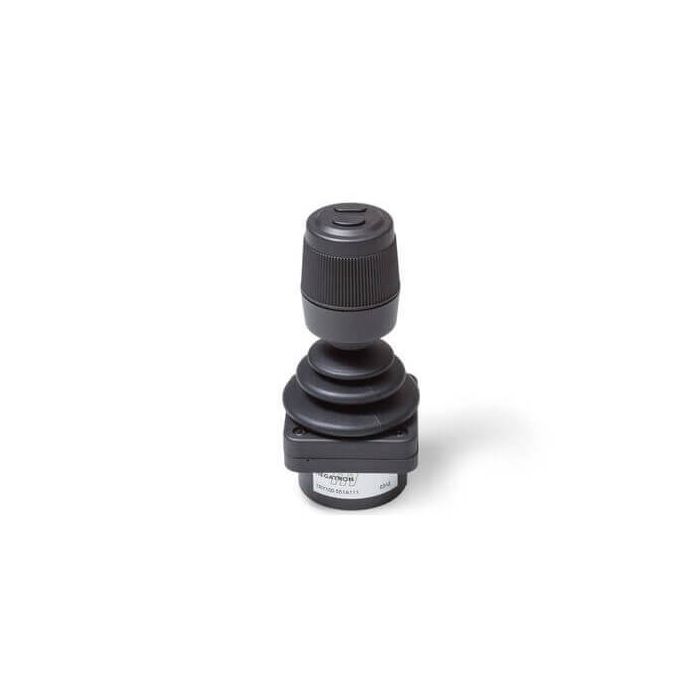
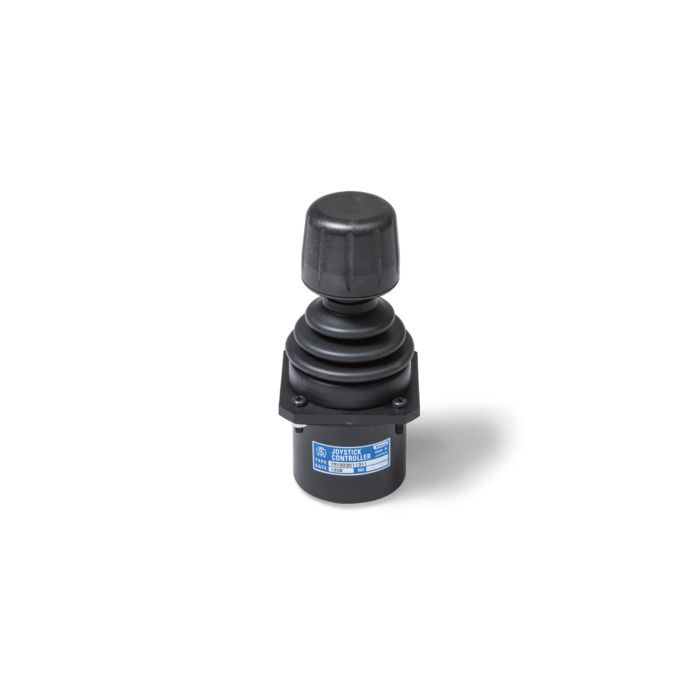
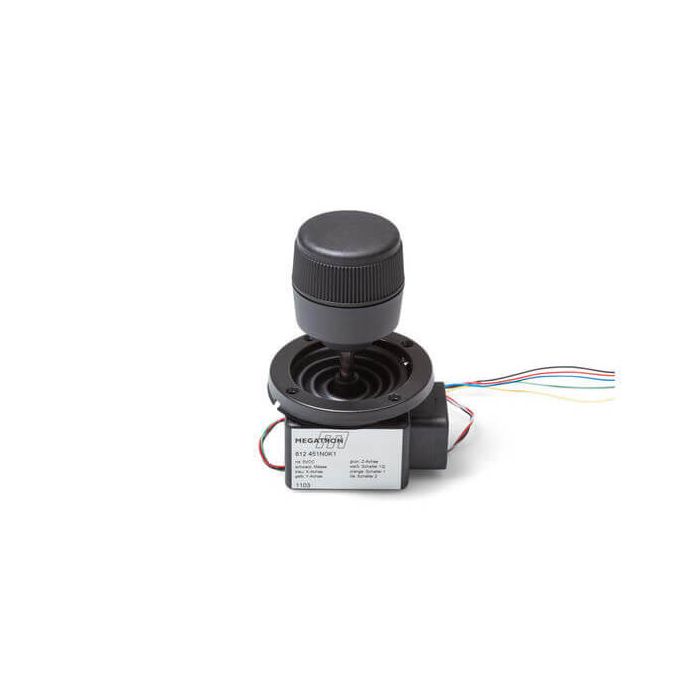
A finger joystick operates through precise, small-scale directional control typically manipulated using the fingertip. It functions by translating subtle finger movements into electrical signals, enabling accurate input in rugged industrial environments. This makes it ideal for applications requiring fine control in confined spaces or tough conditions. The joystick’s robust design ensures reliability and durability, even in harsh settings. For professionals seeking dependable finger joystick solutions, FB Peripherals offers a range of rugged joysticks tailored to mission-critical operations. Explore their comprehensive selection at FB Peripherals rugged joysticks.
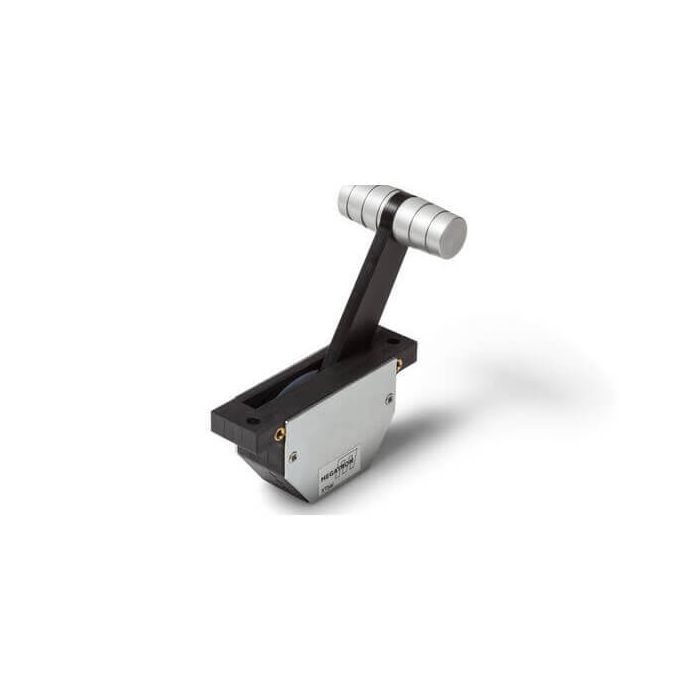
- Shallow Installation Depth < 26Mm
- Service-Friendly Due To Connectors
- Available Interfaces Include USB, Dual Output And Voltage Regulator
SpaceMouse-Module

Can’t find what you’re looking for?
If your question is not covered here, or if you would like further technical guidance, our team is on hand to help. We can assist with product selection, deployment planning, compatibility queries, and best-practice advice to ensure your product is the right fit for your environment.